

At its core, trademark law seeks to protect the consumer goodwill that brands develop and consumers rely on when making purchasing decisions. Unlike copyright and patent law, trademark protection is not intended to “promote the Progress of Science and useful Arts,” but rather to promote fair and efficient competition in the marketplace. Trademark infringement can occur when one party uses another’s mark in a confusing, misleading, or deceptive manner, potentially benefiting from the goodwill associated with that mark and disrupting the marketplace. Trademark law therefore serves a dual purpose: protecting the reputation and goodwill that brands have established while allowing consumers to rely on trademarks as indicators of the source of goods and services as they navigate the marketplace.
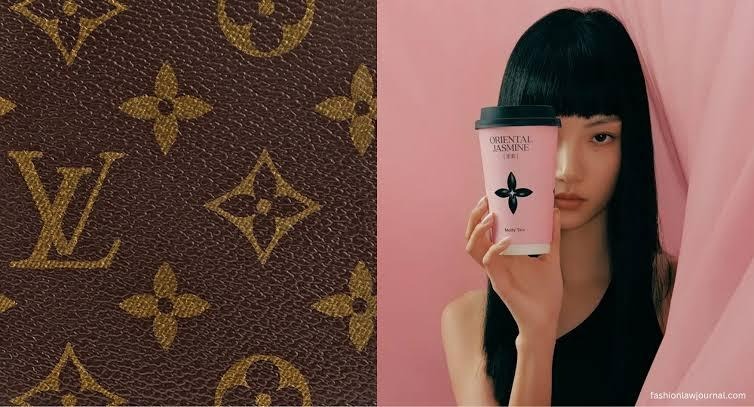
However, a recent Chinese court decision illustrates how enforcing trademark rights can sometimes come at the expense of the very goodwill those rights are intended to protect. Louis Vuitton, a well-known luxury brand, accused Molly Tea, a Chinese bubble tea chain, of infringing on its iconic four-petal floral monogram. The Suzhou Intermediate People’s Court sided with Louis Vuitton and ordered Molly Tea to pay Louis Vuitton 1.5 million U.S. dollars, cease use of its floral design, and issue corrective statements. The court held that Molly Tea infringed seven of Louis Vuitton’s registered trademarks by using a floral motif similar to Louis Vuitton’s Monogram Flower trademark. In reaching its decision, the court reasoned that Molly Tea’s widespread use of the flower in marketing materials, shopfronts, packaging, and cup sleeves extended beyond a standalone logo and became a recognizable element of the brand’s identity, raising concerns about consumer confusion with Louis Vuitton’s registered marks. Molly Tea has since indicated that it intends to appeal the ruling.
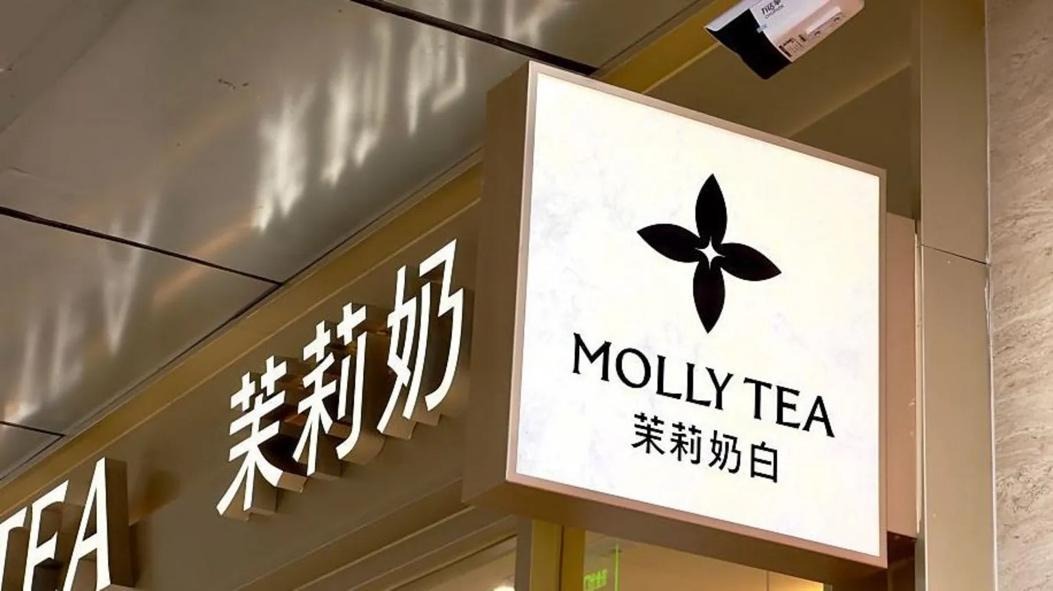
Following this ruling, Louis Vuitton received widespread attention and criticism over its legal victory. Much of the backlash centered on the motif’s Chinese cultural origins, with critics questioning how a French luxury brand could claim exclusive rights to a design resembling motifs long used in Chinese art and history. Viral social media posts drew comparisons between Louis Vuitton’s floral design and traditional Chinese patterns, raising broader questions about the extent to which trademark law should permit exclusive rights over culturally significant symbols.
Other critics focused on the imbalance in size and resources between Louis Vuitton and Molly Tea, portraying the dispute as a luxury conglomerate targeting a comparatively smaller Chinese business. Some social media posts went on to call Louis Vuitton’s actions “cheap.” Furthermore, critics pointed out that cross-industry protection was unjust as it was unlikely that a luxury fashion and leather goods company would need to protect against confusion from being associated with a tea brand. Supporters of the ruling, however, maintained that the backlash was driven more by emotion and public perception than by the legal merits of the dispute, arguing that Louis Vuitton was entitled to enforce its trademark rights.
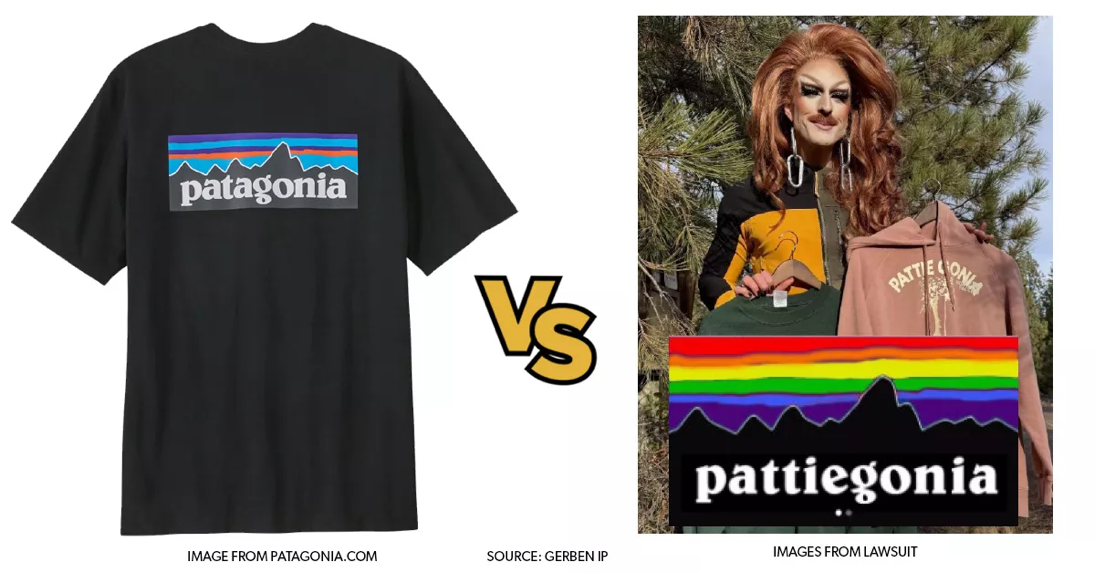
These opinions demonstrate that public perception does not always align with legal reasoning. However, public backlash, including backlash related to trademark enforcement, is not new to brands. Notable cases that grappled with public backlash from trademark enforcement include Patagonia’s lawsuit against performer Pattie Gonia and legal challenges between small Australian manufacturers and Deckers Brands, the American company that owns UGG. Ultimately, public backlash will continue to exist, so the more important question for legal advisors is whether anticipated backlash should play a role in brand protection strategy.
Arguably, the most important factor in determining backlash’s strategic role is the tangible effects of that backlash. In this instance, many reports saw Louis Vuitton sales drop in China, extreme and viral social media backlash, and long lines outside of Molly Tea. On the other hand, analysts reasoned that any loss in revenue was mere correlation to pre-existing market conditions, backlash was short-lived, and social media is not indicative of Louis Vuitton’s target customers.
The wide variance and debatable effects of backlash give way to two viable perspectives on brand protection’s relationship to public perception. First, it could be argued that trademark enforcement should be avoided when reputational harm will outweigh the harm of allowing another party to use a mark. Second, it could be argued that consistent and arduous trademark enforcement is paramount to brand strategy and should be prioritized over the mitigation of backlash. Cecile Cabanis, LVMH’s chief financial officer, stated that intellectual property “is an absolute key asset for us, and we diligently protect our brands” when asked about the Molly Tea case. There are practical benefits to consistent enforcement, such as the confusion or dilution itself, future deterrence, and a persuasive legal record of past trademark infringement.
Determining which stance is more persuasive and deciding how to combine both philosophies can be incredibly fact-specific and subject to a myriad of factors and conditions. Thus, while there is no exact formula for how much weight to afford potential backlash, Louis Vuitton and Molly Tea’s dispute sheds light on the tension between trademark law’s purpose of protecting consumer goodwill and how trademark enforcement in practice can lead to a reduction of consumer goodwill. Now, the question remains of how that tension is best addressed.