

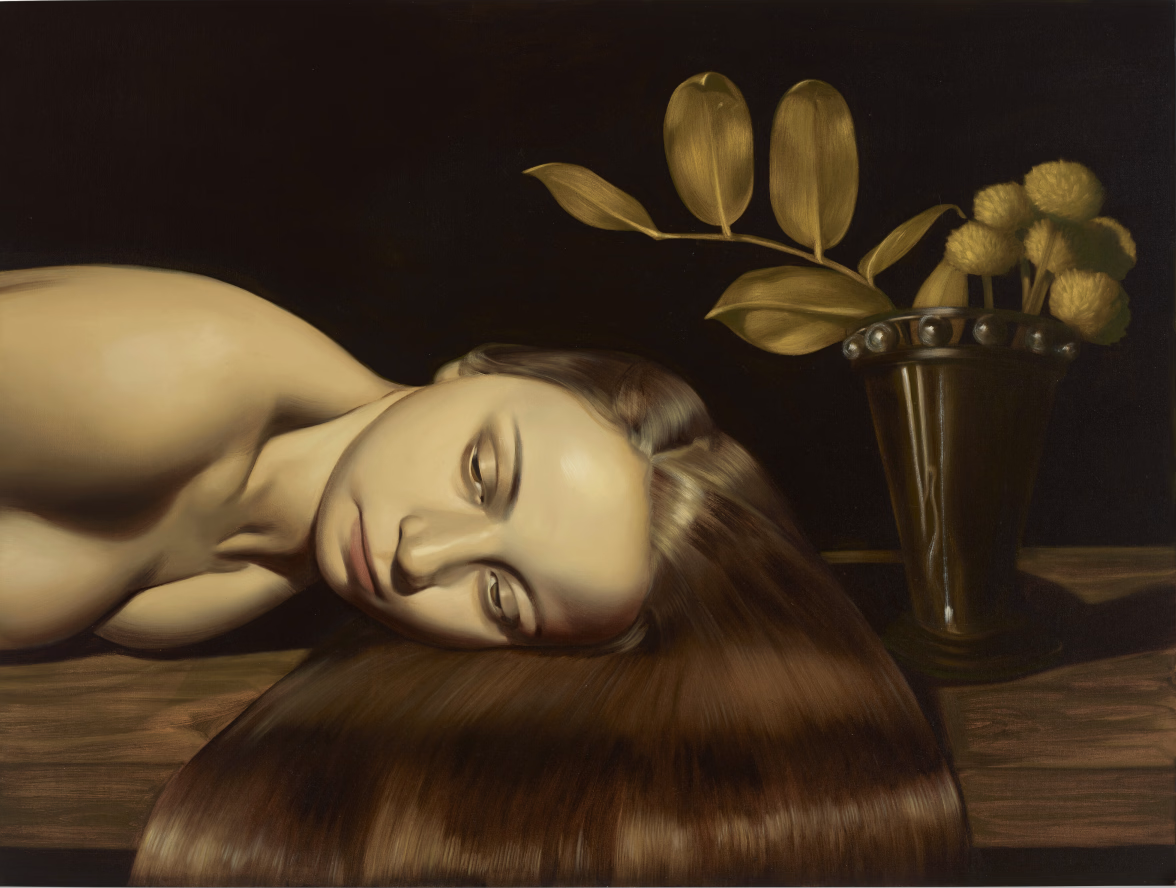
For years now, visual artists in the United States have been campaigning for the right to resale royalties, a right already recognized in Europe. European copyright law has traditionally placed greater emphasis on protecting artists’ interests, while US copyright law has focused more heavily on incentivizing creative production. However, this focus on innovation can come at the expense of individual artists, who often lack protection from the potentially harsh realities of the market. Resale royalties serve as a stark example of the lack of such safeguards in U.S. intellectual property law, leaving artists vulnerable to the interests of more powerful and knowledgeable investors.
The practice of “art flipping”—in which investors purchase works with the hope of quickly reselling them for a profit—has become increasingly common as art has solidified its status as a valuable investment asset. In the early 2010s, a boom in the art world led galleries to take chances on young and unknown artists, while keen investors began speculating about which works would increase in value. These guesses often proved correct: for a period of time, works by relatively anonymous artists were bought and sold for substantial profits. From 2012 to 2021, auction prices for ultra-contemporary art purchased and resold within three years rose by over 1000%. In 2022, for example, then-27-year-old Anna Weyant saw her painting Summertime sell for $1.5 million at Christie’s, just two years after its initial sale for roughly $12,000.
Although the practice has since become increasingly disdained by artists and galleries alike, there is very little legal framework preventing the rapid resale of art. Some legal experts point to resale agreements as a potential solution to the harms of flipping, but contractual clauses restricting the resale of works can be difficult to enforce. Even where such clauses may be enforceable, smaller galleries may be unwilling or unable to bear the costs of litigation.
New York Congressman Jerry Nadler has sought to address this gap in the legal framework throughout his time in office, introducing several pieces of legislation aimed at granting visual artists rights over the resale of their works. In June of 2025, Representative Nadler introduced the American Royalties Too (ART) Act, which would amend the Copyright Act to provide artists and galleries with a 5% royalty rate, capped at $50,000, on works resold by art market professionals. However, with Representative Nadler preparing to retire, the Act’s future remains uncertain.
The issue of resale royalties seems particularly relevant in the wake of the passing of Lucien Smith, a promising young artist who moved away from traditional art sales after facing the worst of the market. Smith, whose works were purchased for tens of thousands of dollars only to be resold in the auction circuit for hundreds of thousands, spent years advocating for royalty rights and serving as a mentor for young artists to help them avoid becoming unwitting victims of the marketization of art. Smith recognized that art market professionals often have the upper hand over artists: the asymmetry of information about the art market and the low-income status of many emerging artists make for the perfect opportunity for investors to buy low and sell high. Like many other artists, the market for Smith’s works ultimately crashed, without Smith having ever benefited financially from the substantial profits generated by their resale at the height of his popularity.
Although the U.S. may not yet be ready to amend copyright laws to protect artists from exploitation through the resale of their works, the efforts of advocates like Lucien Smith have generated several extralegal options for artists. Artist-led auctions like Sotheby’s Artist’s Choice sales and the blacklisting of known art flippers by gallerists have created avenues for artists to be more protected in the market. However, guaranteed access to resale royalties would provide a more equally distributed safety net for artists. Visual artists in the U.S. retain an unusually vulnerable position within the art market, as they often have limited income and are paid only upon the first sale of their works, unlike musicians or actors who receive royalties as their work is played and replayed. Without meaningful legal protections, the artists who create the value of the art market may be among those least able to share in its rewards.