

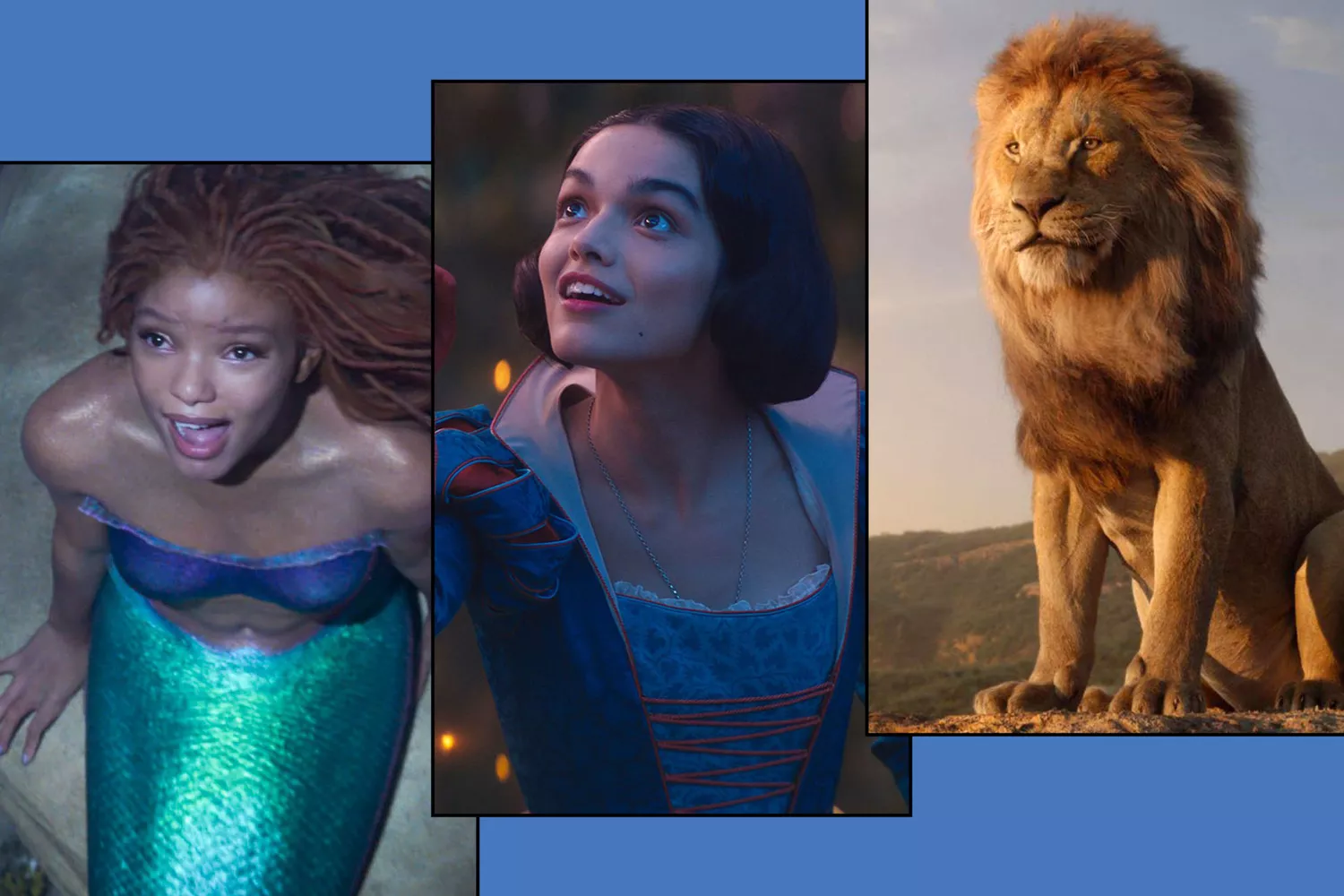
If you think Hollywood has been recycling your childhood lately, you’re not wrong. Whether it’s Disney’s live-action remakes of Snow White and Lilo & Stitch, DreamWorks’ live-action version of How to Train Your Dragon, or DC Studios’ reboot of Superman, the recent media landscape has been saturated with nostalgia. Streaming platforms have grown drastically in recent years, yet a new trend is emerging to license previously created works to add to their platform rather than allocate those funds to their own original creations. Contemporary trends in intellectual property frequently rely on characters and works that we’ve seen before, raising a crucial question: how do recreations and licenses for previously created works square with copyright law’s purpose of promoting original creation?
The U.S. Constitution’s Intellectual Property Clause, found in Article I, Section 8, Clause 8, grants Congress the power “to promote the progress of science and useful arts.” In its conception, copyright law aims to equip creators with exclusive rights to encourage societal innovation through cultural and artistic development.
The doctrine of derivative works is deeply central to copyright law’s foundation as well as contemporary media. This is because the original owner of a copyrighted work has the exclusive right to prepare derivative works based on their creation. This is why remakes must be contracted under licenses between the rightsholder of the original material and studios who want to build upon that content.
With some doctrinal background in mind, it’s worth exploring possible explanations for the surge of remakes and derivative works we see today. Analyzing why studios choose to rely on familiar stories can be useful for discussing how far we may have strayed from copyright law’s original purpose.
A possible explanation for familiar IP use is the ability to harness existing audiences. Studios can tap into pre-existing fan bases for cheaper and safer projects. Existing IP is attractive because familiarity is profitable. When companies license the rights to reboot or build upon well-known franchises, they have already ensured momentum behind their project. An initiative seems less risky if existing fanbases can be leveraged. The potential reward of drawing upon multiple fan generations appears to outweigh creative risk. This could explain the incentives behind remaking classic universes. Even when works are still under copyright, studios clearly feel compelled to license them because of pre-built fan bases.
Perhaps contemporary IP use is best understood by looking at inherent risks and costs involved in licensing decisions. For major players like Disney and Netflix, licensing costs are seemingly negligible compared to potential profit gains. Acquiring rights from original copyright holders is an extremely low barrier for those with deep pockets. Netflix spent $1.07 billion on movie licensing in just the first half of last year. That period resulted in 9.23 billion total views for Netflix. Their original movie budget over the same period was $0.51 billion, with fewer than half the total viewers, at 3.98 billion. Just comparing those breakdowns sheds light on the incentives behind IP acquisition. This provides context for contemporary copyright and puts forth the prediction that derivative works will only continue to dominate screens. By shelling out whatever it costs to acquire rights to proven franchises, companies capture and maintain fan loyalty. Licensing content is a low cost with major potential profit. This ultimately seems to be more attractive than pouring into wholly unique and original creations.
With the rise of reuse and recreations, it’s essential to consider how public domain works will fit into this shifting structure. Works whose rights have expired or were never eligible for protection find their place in the public domain, and such material can be freely used, adapted, and shared. In 2025, many works entered the public domain for the first time. Books, films, and other media published in 1929 have entered the public domain as well as sound recordings from 1924. While it’s true that not all of the remakes today are due to the exploitation of public domain works, it’s certainly important to consider how the public domain’s role will become increasingly pronounced in the future.
Every year we can expect to see more works enter the public domain, opening up possibilities for reuse without licensing. While not all of the remakes dominating this year’s media are direct results of public domain access, understanding how tempting these assets can be is key. The film The Return of Sherlock Holmes and the original Popeye the Sailor Man character both entered the public domain in 2025. For studios, the risk of commercializing these works seems minimal and the reward relatively predictable. Companies can repackage familiar stories with little to no upfront costs. The volume of remakes today may only be the beginning. As more iconic works enter the public domain each year, there will be fewer legal and financial burdens for reusing nostalgic characters.
These potential explanations aim to account for the rise in media remakes and nostalgia. The tension between copyright’s doctrinal foundations and its current use is growing. Copyright law becomes more about contracts and less about creation when licensing costs are low for major players in the industry. Modern IP use feels less about incentivizing new creators and more about prioritizing potential financial rewards. Studios are clearly drawn to pre-built fan bases rather than developing wholly new franchises. In this way, copyright feels more about maximizing what is already proven to sell rather than advancing cultural contributions. With the public domain looming in the background, derivative content seems likely to accelerate in the future. It feels like we have diverged from the constitutional goal of promoting originality and creativity. As we prepare to see more reboots and remakes in the future, we should continue to consider whether such derivative works reflect innovation or simply financial strategy.